Avada Blog Element Examples
The Avada Blog Element dynamically showcases your blog posts in a variety of layouts—grid, masonry, timeline, carousel—so you can filter by categories, tags, or authors and choose what metadata (date, author, excerpt etc.) appears; it blends content curation with design flexibility to present your stories in the look and format that aligns with your brand.


The Avada Blog Element is set up as follows: Posts Per Page (3), Post Status (Published), Post Offset (8), Pull Posts By (Category), Categories, Exclude Categories, Order By (Date), Order (Descending), Show Thumbnail (Yes), Show Title (Yes), Content Display (Excerpt), Excerpt Length (8 Words), Strip HTML From Posts Content (Yes), Show Meta Info (Yes), Show Author Name (Yes), Show Categories (Yes), Show Comment Count (Yes), Show Date (Yes), Show Read More Link (Yes), Show Tags (No), Blog Layout (Grid), Number of Columns (3), Column Spacing (40px), Equal Heights (Yes), Title Size (H3), Link Title to Post (No), Content Alignment (Left), Pagination Type (Pagination), Grid Box Color, Grid Element Color, Grid Separator Style (No Style), Blog Grid Text Padding, and Margin.
How To Display Any Taxonomy In WordPress: The Avada Categories Element
The Avada Categories Element is a single Element for displaying taxonomy terms anywhere on your site. It covers post categories and tags, WooCommerce product categories, event categories, and any custom...
How to Use the Avada Tag Cloud Element in WordPress
At first glance, the Avada Tag Cloud Element might seem simple, but it offers a lot more once you explore its options. Many WordPress users think of tag clouds as...
The Avada Blog Element is set up as follows: Posts Per Page (2), Post Status (Published), Post Offset (0), Pull Posts By (Category), Categories, Exclude Categories, Order By (Date), Order (Descending), Show Thumbnail (Yes), Show Title (Yes), Content Display (Excerpt), Excerpt Length (30 Words), Strip HTML From Posts Content (Yes), Show Meta Info (Yes), Show Author Name (Yes), Show Categories (Yes), Show Comment Count (Yes), Show Date (Yes), Show Read More Link (Yes), Show Tags (No), Blog Layout (Medium), Title Size (H3), Font (Custom), Link Title to Post (No), Pagination Type (No Pagination), and Margin.
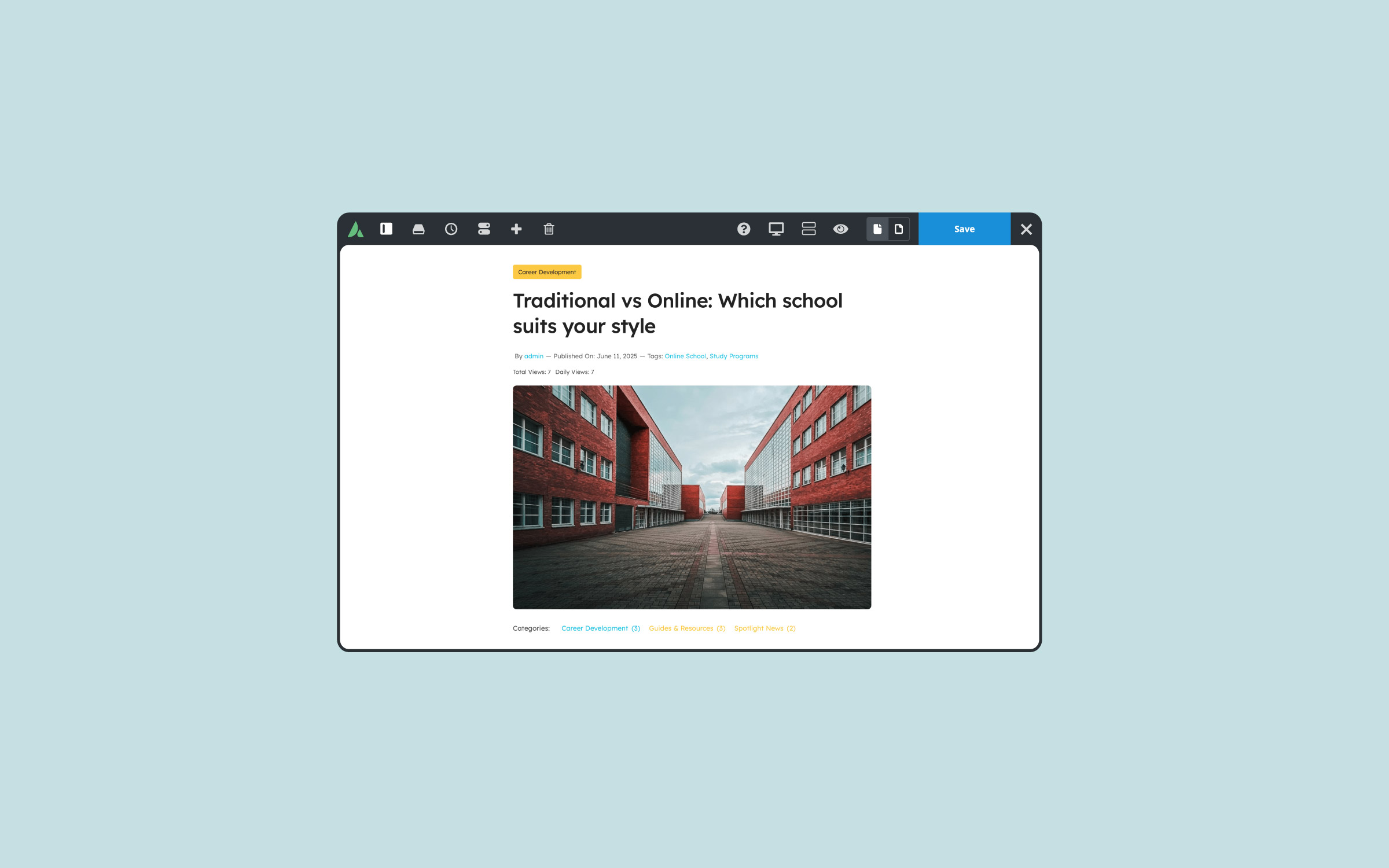
How To Display Any Taxonomy In WordPress: The Avada Categories Element
The Avada Categories Element is a single Element for displaying taxonomy terms anywhere on your...
How To Display Any Taxonomy In WordPress: The Avada Categories Element
The Avada Categories Element is a single Element for displaying...
June 2026
How To Manage Website Privacy & Consent
By michaelb|2026-07-20T22:16:44+00:00June 22nd, 2026|Avada|
Data privacy compliance is one...
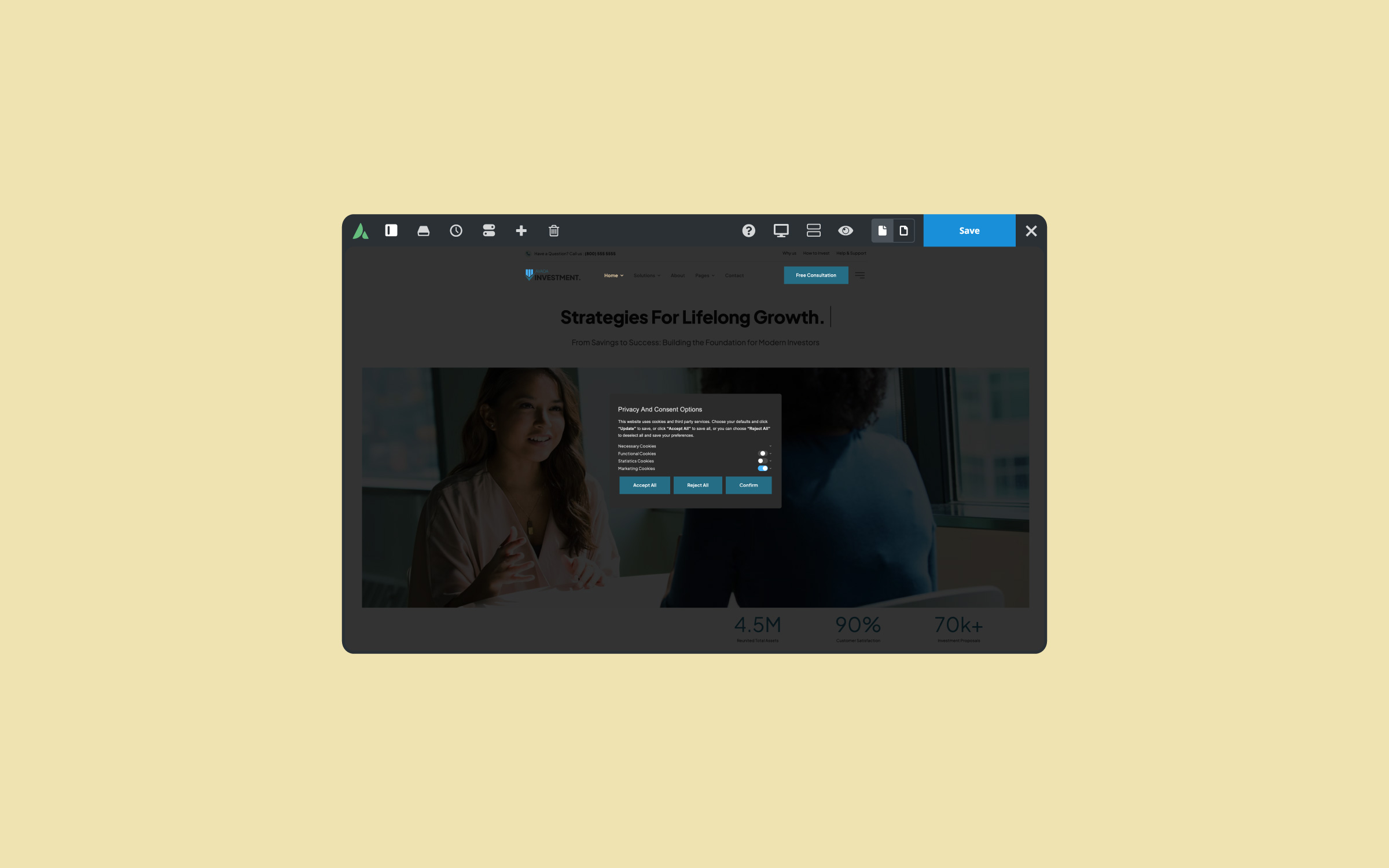
How To Add Privacy & Consent Options to an Avada Off-Canvas
By michaelb|2026-06-17T09:04:30+00:00June 17th, 2026|Avada|
Here's a fact about privacy...

Version 7.15.5 Security Update
By michaelb|2026-06-19T00:38:27+00:00June 15th, 2026|Avada|
We have released Avada 7.15.5,...
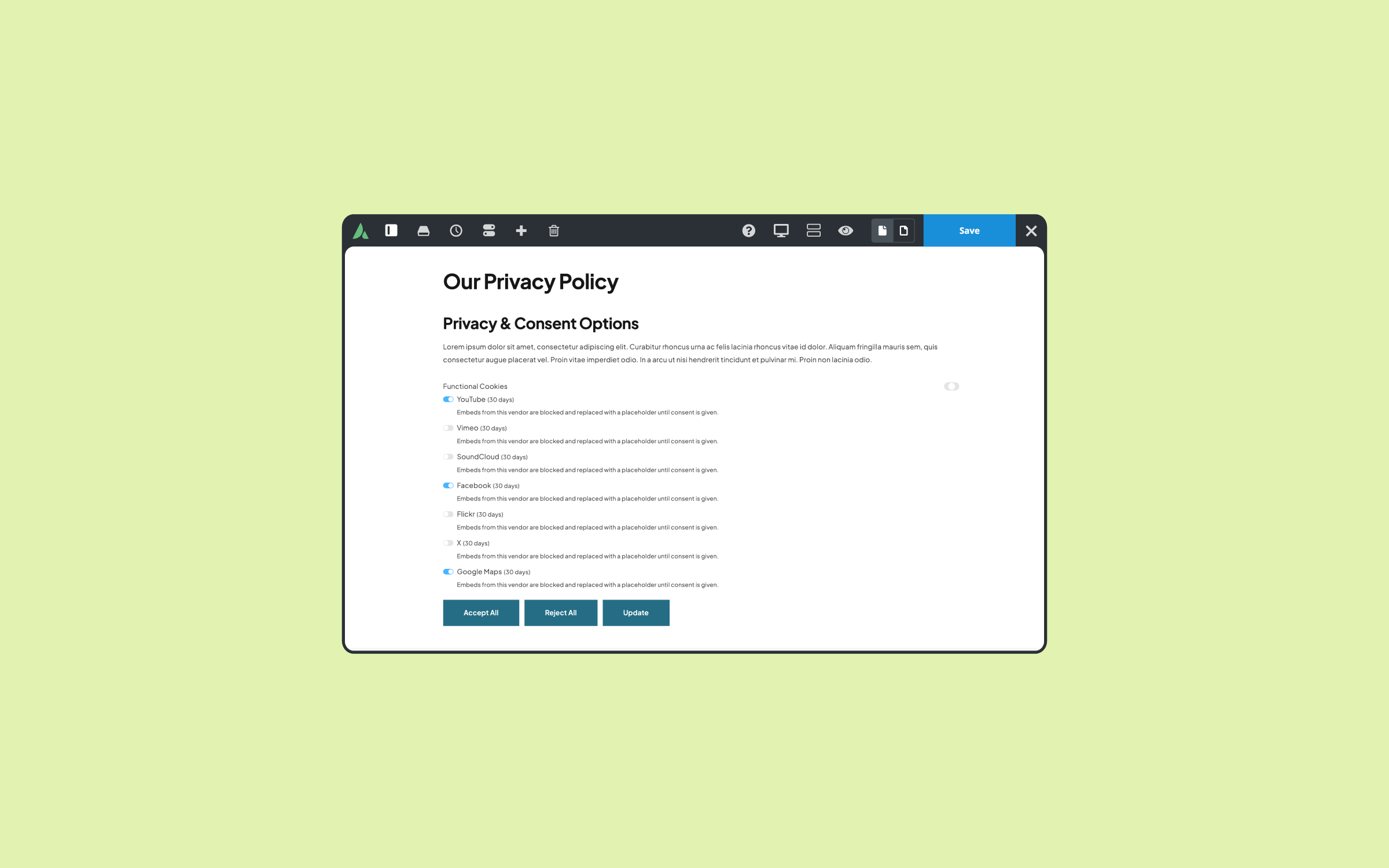
How to Use the Avada Privacy & Consent Element
By michaelb|2026-06-08T13:43:30+00:00June 8th, 2026|Avada|
Cookie consent (the permission a...
Your Questions About Avada One, Answered
By michaelb|2026-06-03T14:37:19+00:00June 3rd, 2026|Avada|
We recently shared the A...
The Avada Blog Element is set up as follows: Posts Per Page (5), Post Status (Published), Post Offset (10), Pull Posts By (Category), Categories, Exclude Categories, Order By (Date), Order (Descending), Show Thumbnail (Yes), Show Title (Yes), Content Display (Excerpt), Excerpt Length (5 Words), Strip HTML From Posts Content (Yes), Show Meta Info (Yes), Show Author Name (Yes), Show Categories (Yes), Show Comment Count (Yes), Show Date (Yes), Show Read More Link (Yes), Show Tags (No), Blog Layout (Timeline), Title Size (H3), Link Title to Post (Yes), Content Alignment (Textflow), Pagination Type (No Pagination), Grid Box Color, Grid Element Color, Grid Separator Style (Single Border Solid), Blog Grid Text Padding, and Margin.

A New Chapter for Avada
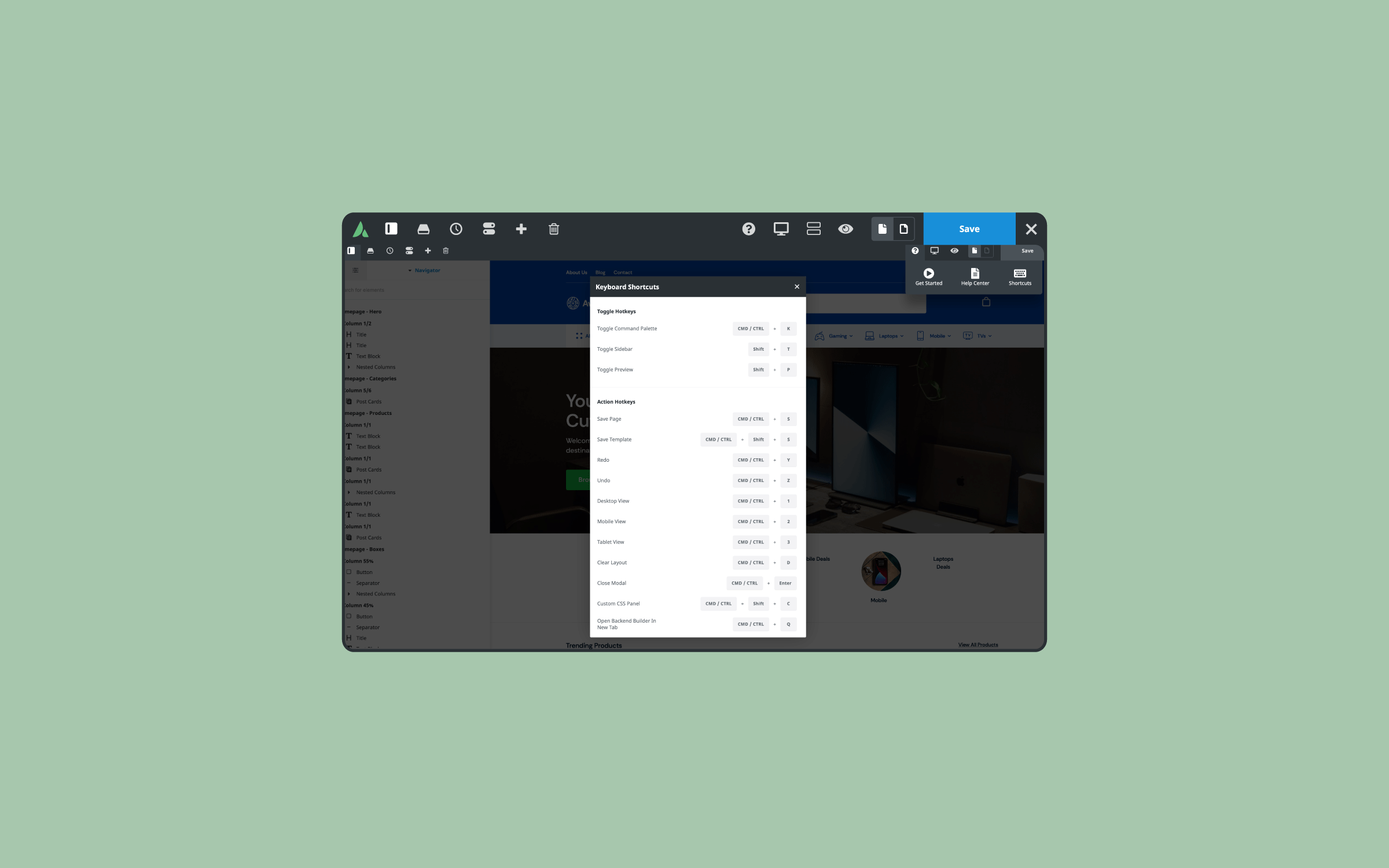
How to Use the Avada Live Visual Builder Shortcuts
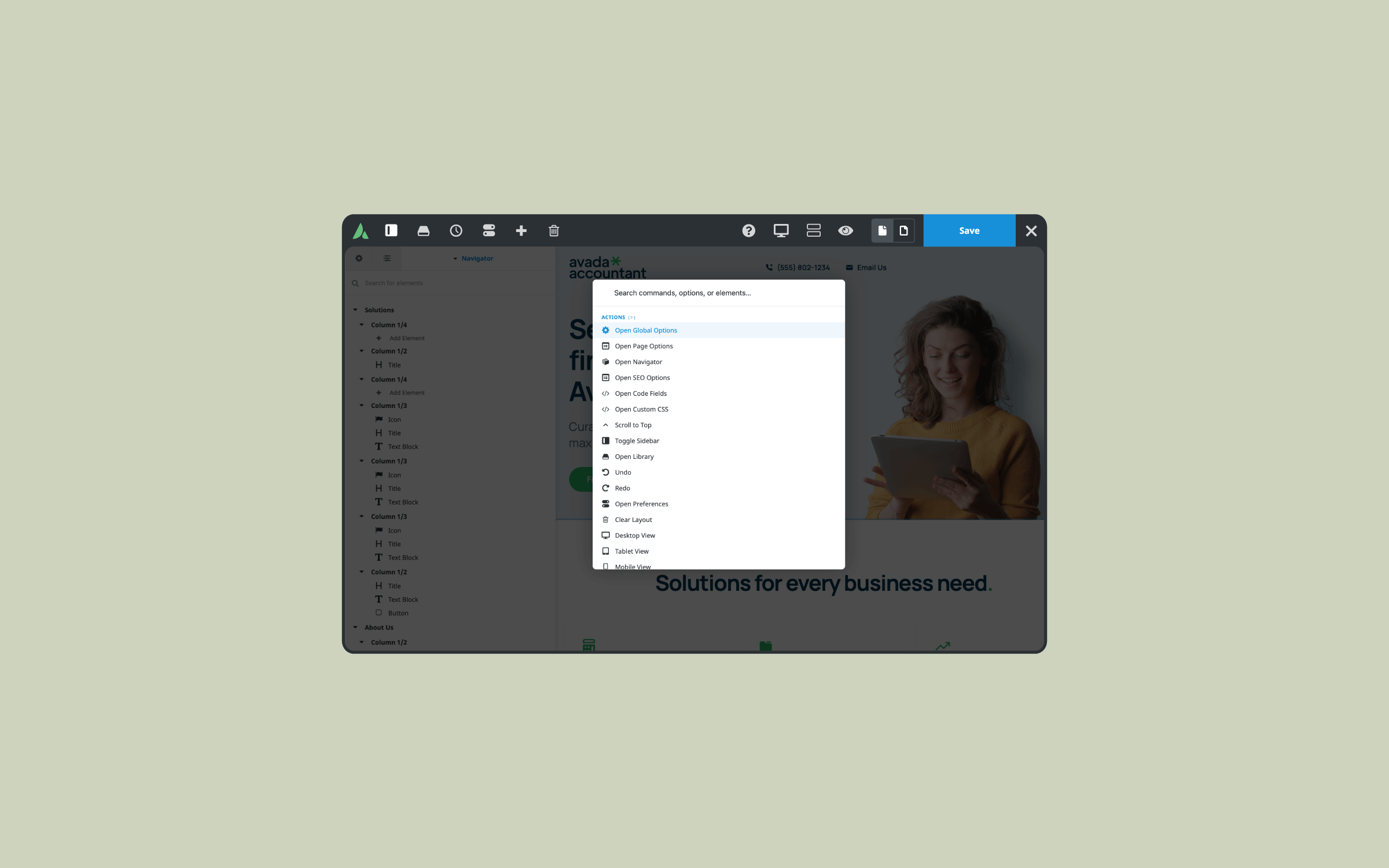
How to Use the Avada Command Palette

Version 7.15.3 Security Update
The Avada Blog Element is set up as follows: Posts Per Page (4), Post Status (Published), Post Offset (16), Pull Posts By (Category), Categories, Exclude Categories, Order By (Date), Order (Descending), Show Thumbnail (Yes), Show Title (Yes), Content Display (No Text), Show Meta Info (No), Blog Layout (Masonry), Number of Columns (2), Column Spacing (20px), Masonry Image Aspect Ratio (1.0), Masonry 2X2 Width (2000), Title Size (H4), Font (Custom), Link Title to Post (No), Content Alignment (Center), and Pagination Type (No Pagination).
Examples can include the individual option values set for that particular instance; however, in some cases, not all Element variations can be shown as they may be too numerous. Where a live example cannot be shown, an image representation will be used as a substitute. For more detailed information, please refer to the related Element documentation and videos.